 русский
 Français
 বাংলা
বাংলা 한국어
한국어 日本語
日本語 Latine
 ไทย
ไทย عربى
عربى Hrvatski
 čeština
 dansk
dansk Nederlands
 Pilipino
 Deutsch
 Suomalainen
 Magyar
 Indonesia
 italiano
 فارسی
فارسی Gaeilge
 Bahasa Melayu
 norsk
norsk Português
 Polskie
 Español
 Română
 Slovák
 svenska
 Türk
Türk


Cuando un arquitecto paisajista o un ingeniero municipal abre un paquete de iluminación y ve una nota que dice "cumple con el cielo oscuro", la pregunta inmediata suele ser práctica: ¿este acces...
READ MORE
Aug, 28, 2026
Los postes de luz se fabrican mediante un proceso de varias etapas que incluye cortar y enrollar láminas de acero en bruto en forma de tubo recto o cónico, soldar la costura, formar la conexión de la placa base, galvanizar en caliente para resistir la corrosión y aplicar una capa protectora final. Cada etapa está diseñada para generar resistencia estructural y durabilidad a largo plazo en el poste terminado antes de que llegue al sitio de instalación. Las instalaciones de fabricación que producen postes de calidad comercial suelen seguir puntos de control de calidad estandarizados en cada etapa, ya que un defecto introducido durante el laminado o la soldadura puede comprometer el rendimiento estructural incluso si no es visible en el producto recubierto terminado.
El proceso de fabricación comienza con la selección del grado de lámina de acero o aluminio adecuado según la altura prevista del poste, la capacidad de carga y los requisitos de la zona de viento regional. El espesor y la calidad del material se eligen para cumplir con cálculos de ingeniería estructural específicos en lugar de un estándar universal único.
Los fabricantes que producen un poste de luz para aplicaciones comerciales o de carreteras, normalmente obtenga acero estructural certificado que cumpla con los estándares de grado industriales reconocidos, lo que garantiza un rendimiento y una resistencia a la tracción constantes en cada lote de producción.
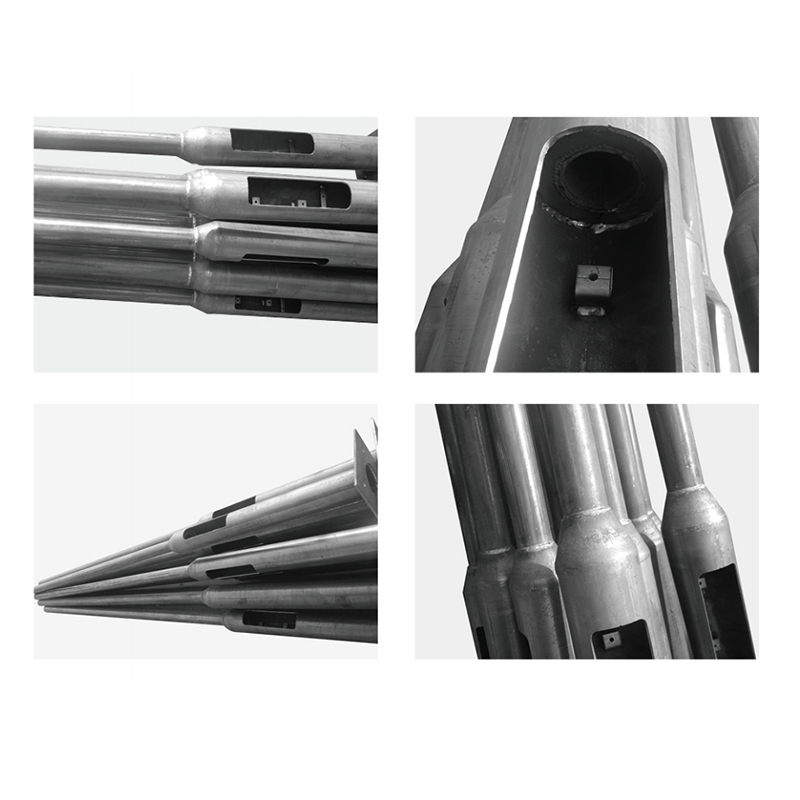
Una vez preparado el material, la lámina de acero plana se lamina hasta darle la forma de tubo cilíndrico o cónico del poste utilizando un equipo de conformado especializado que dobla gradualmente el material hasta obtener su perfil transversal final.
| Tipo de poste | Método de formación | Aplicación común |
| Poste de eje recto | Laminación de diámetro constante | Estacionamientos, iluminación general del área. |
| Poste de eje cónico | Laminación de reducción progresiva de diámetro. | Iluminación de carreteras, instalaciones comerciales altas. |
Los postes cónicos requieren un control de formación más preciso ya que el diámetro debe disminuir gradualmente a lo largo de la longitud del eje mientras se mantiene un espesor de pared constante, lo que afecta directamente tanto el rendimiento de la carga de viento como la eficiencia general del material.
Después de enrollar la lámina de acero para darle forma, la costura longitudinal debe soldarse para crear un tubo único, estructuralmente continuo, capaz de soportar las fuerzas de flexión y torsión que experimentará el poste una vez instalado.
Los sistemas de soldadura automatizados se utilizan comúnmente para garantizar una calidad constante de la costura a lo largo de toda la longitud del poste, ya que la variabilidad de la soldadura manual puede introducir puntos débiles que comprometen el rendimiento estructural bajo cargas de viento sostenidas.
Los fabricantes suelen realizar pruebas visuales y, en muchos casos, no destructivas, como la inspección ultrasónica de las uniones soldadas, para detectar cualquier defecto interno antes de que el poste pase a la siguiente etapa de producción.
La placa base es uno de los componentes estructuralmente más críticos de un poste de luz, ya que transfiere todas las fuerzas del viento y de carga desde el eje del poste a los cimientos. Este componente está soldado a la base del eje con una alineación precisa con el patrón de pernos de anclaje especificado.
La precisión en esta etapa es esencial, ya que incluso pequeñas desalineaciones en el espacio entre los orificios de los pernos pueden crear importantes dificultades de instalación una vez que el poste llega al lugar de trabajo.
Una vez que la estructura del poste está completamente soldada e inspeccionada, generalmente se somete a un proceso de galvanización en caliente, que recubre el acero con una capa protectora de zinc diseñada para resistir el óxido y la corrosión durante décadas de exposición al aire libre.
El poste está completamente sumergido en un baño de zinc fundido, lo que permite que el recubrimiento se una metalúrgicamente a la superficie de acero, incluidas las áreas de difícil acceso dentro de las uniones soldadas y alrededor de la conexión de la placa base.
Sin una galvanización adecuada, los postes de acero serían significativamente más vulnerables a la formación de óxido, particularmente en uniones soldadas y conexiones de base donde la humedad tiende a acumularse con el tiempo en ambientes exteriores.
Después de galvanizar, muchos postes reciben una capa adicional de recubrimiento en polvo, que cumple una función protectora y estética, lo que permite a los fabricantes ofrecer una gama de acabados de colores que se adaptan a los requisitos de diseño arquitectónico o municipal.
Esta combinación de galvanizado seguido de recubrimiento en polvo proporciona dos capas complementarias de protección, dando una poste de luz Resistencia a la corrosión significativamente mayor que la que un acabado de una sola capa podría lograr por sí solo.
Antes de que los postes terminados salgan de las instalaciones de fabricación, normalmente se someten a una serie de controles de calidad para confirmar que cumplen con los estándares estructurales y estéticos requeridos para la aplicación prevista.
Estas verificaciones a menudo incluyen verificación dimensional con dibujos de ingeniería, confirmación del patrón de pernos de la placa base, medición del espesor del recubrimiento y una inspección visual final para detectar cualquier defecto en la superficie introducido durante la manipulación o preparación del transporte.
Muchos fabricantes mantienen registros de lotes vinculados a cada ejecución de producción, lo que permite la trazabilidad hasta lotes de materiales y fechas de producción específicos si surge algún problema de calidad después de la instalación.
Más allá de la producción estructural estándar, muchos procesos de fabricación de postes de luz se adaptan a la personalización para cumplir con los requisitos específicos del proyecto, particularmente para pedidos comerciales o municipales más grandes.
Estos a menudo incluyen alturas de postes personalizadas, configuraciones de brazos de montaje específicas para múltiples accesorios, cubiertas de base decorativas para aplicaciones estéticas y colores de recubrimiento en polvo personalizados para combinar con los temas de diseño arquitectónico o de marca en el sitio de un proyecto.
Los equipos de adquisiciones, los planificadores de infraestructura municipal y los desarrolladores comerciales que especifican postes de luz para grandes proyectos se benefician de comprender el proceso de fabricación, ya que ayuda a aclarar por qué las certificaciones de calidad, los estándares de galvanización y los registros de inspección de soldadura son importantes al comparar proveedores. Saber cómo cada etapa de producción contribuye al desempeño estructural a largo plazo respalda decisiones de compra más informadas, particularmente para proyectos donde los postes deben funcionar de manera confiable durante décadas de exposición al aire libre.
Cuando un arquitecto paisajista o un ingeniero municipal abre un paquete de iluminación y ve una nota que dice "cumple con el cielo oscuro", la pregunta inmediata suele ser práctica: ¿este acces...
READ MORELa mayoría de las fallas de la iluminación exterior LED comercial no tienen nada que ver con el chip LED. Una hilera de bolardos a lo largo del aparcamiento de un hotel costero puede lucir perfe...
READ MOREUn especificador envía la misma solicitud de 200 luminarias para carreteras a tres proveedores y recibe tres luminarias diferentes, todas descritas como cabezas de cobra. Uno se sujeta a la espi...
READ MOREUn complejo de casas adosadas de 14 unidades dejó su callejón de servicio trasero sin iluminación durante años, y las mismas tres puertas fueron forzadas a abrirse dos veces en un invierno. El g...
READ MOREUna carretera dentro de un parque industrial no tiene conexión a la red, pero el sitio necesita 12 horas de iluminación confiable cada noche. Ese es el verdadero punto de partida cuando alguien ...
READ MOREProductos relacionados
 Parque industrial privado, ciudad de Liangnong, ciudad de Yuyao, ciudad de Ningbo, provincia de Zhejiang, China
 +86-13486062091
 +86-574-2222 2345
 +86-574-2267 2345
 info@ym-lighting.com